The US-Iran conflict escalates as both sides trade "hellish" threats. Get the latest updates on the missing US airman, missile strikes, and nuclear concerns.
As someone who closely monitors Middle Eastern geopolitics, I’ve seen my fair share of regional flare-ups. However, the current escalation between the United States, Israel, and Iran is pushing the region into uncharted and highly volatile territory. What started as a breakdown in diplomatic talks in late February has now spiraled into a multi-front conflict, complete with apocalyptic rhetoric, downed fighter jets, and attacks perilously close to nuclear facilities.
Here is a breakdown of the rapidly deteriorating situation and what it means for global security.
A Region on Edge: The War of Words
The diplomatic tightrope has completely snapped, replaced by aggressive ultimatums from both sides.
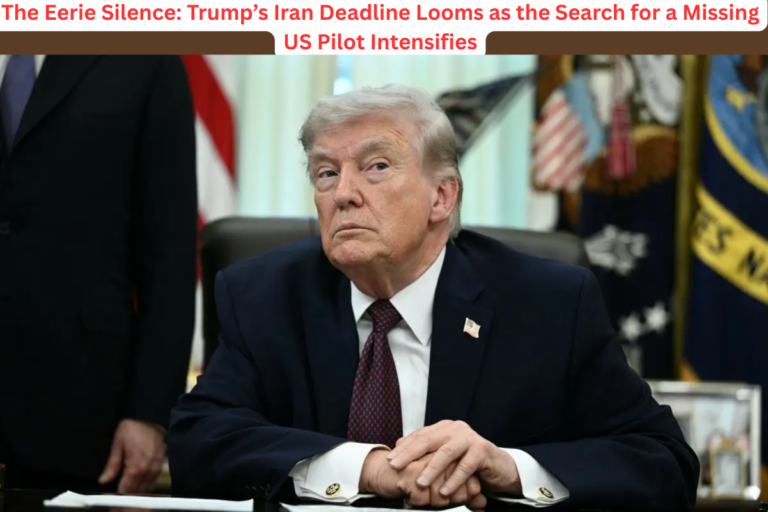
President Donald Trump recently announced a temporary 10-day pause on strikes targeting Iranian energy infrastructure, ostensibly to give Tehran a window to negotiate. However, that window is closing violently. Taking to Truth Social, Trump issued a stark 48-hour ultimatum, demanding Iran make a deal and reopen the critical Strait of Hormuz, threatening that “all Hell will rain down on them” if they fail to comply. He further claimed—via a video that analysts note appeared to be 24 hours old—that a massive strike on Tehran had already “terminated” several key Iranian military leaders.
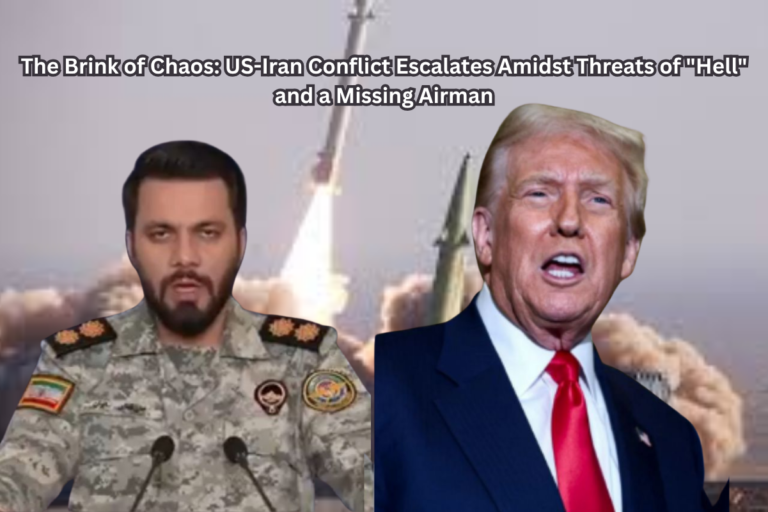
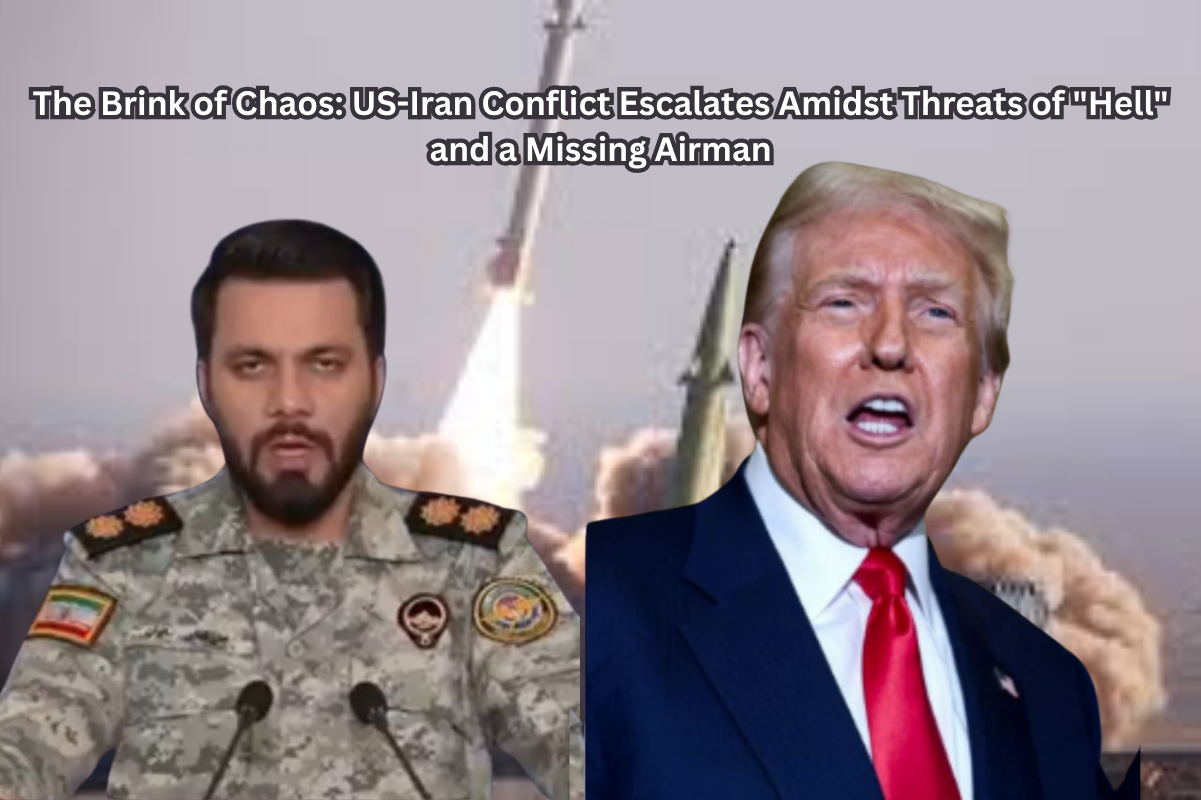
Read More :- The Brink of Chaos: US-Iran Conflict Escalates Amidst Threats of “Hell” and a Missing Airman.
Read More :- The Ultimate Guide to Choosing the Right Laptop for Graphic Design.
Tehran’s response was swift and equally chilling. Ebrahim Zolfaghari, speaking for the Khatam al-Anbiya Central Headquarters, warned that any further escalation by the US and Israel would turn the entire region into a “quagmire.” The message is clear: neither side is willing to blink.
The Hunt in Hostile Territory: Missing US Crew Member
Behind the political grandstanding, a very real and desperate tactical situation is unfolding on the ground.
On Friday, a US F-15 fighter jet was shot down over southern Iranian airspace. While the pilot was successfully rescued, an intense search-and-rescue operation is currently underway for a missing American crew member.
The stakes for this recovery mission couldn’t be higher:
-
The Rescue Under Fire: A US A-10 Warthog, deployed to assist in the search, also sustained heavy damage from enemy fire, though its pilot was safely extracted.
-
The Bounty: In a move that significantly complicates the rescue, Iranian officials are actively urging their citizens to capture the missing American “alive,” even offering financial rewards.
This manhunt adds a deeply human and incredibly tense element to the broader strategic war.
Cross-Border Carnage: Infrastructure and Nuclear Concerns
The physical toll of this conflict is mounting rapidly as the US, Israel, and Iran exchange heavy blows across multiple borders. Iran has continued to launch missile barrages at Gulf States, Iraq, and Israel, with intercepted debris causing widespread collateral damage.
Strikes on Vital Petrochemical Hubs
The economic infrastructure of the region is taking direct hits. The Israeli military confirmed a strike on a major petrochemical facility in Mahshahr, south-western Iran. Israeli intelligence claims the site was manufacturing explosive materials for weaponry. The human cost has been tragic, with Iranian state media reporting five deaths and over 170 injuries.
The Bushehr Nuclear Plant Scare
Perhaps the most alarming development is the tactical activity surrounding the Bushehr nuclear power plant, Iran’s only operational nuclear facility. The area has reportedly been attacked for the fourth time since the war began, resulting in the death of one plant employee.
While Iran blames the US and Israel—neither of which has claimed responsibility—the international community is on high alert.
-
IAEA Response: The UN’s nuclear watchdog, the International Atomic Energy Agency, expressed “deep concern,” demanding maximum military restraint to prevent a catastrophic nuclear accident. Fortunately, they reported no increase in radiation levels.
-
Russian Evacuation: Adding to the gravity of the situation, Russia’s state nuclear corporation, Rosatom, has begun evacuating its remaining 198 staff members from the facility.
What Happens Next?
The ongoing US-Israeli war with Iran, ignited just days after the collapse of nuclear talks in Geneva, shows no signs of slowing down. With threats of “hell” being traded freely, critical energy chokepoints threatened, and the specter of a nuclear incident looming, the international community watches with bated breath.
Over to you: Do you think diplomatic channels can still be revived to de-escalate this crisis, or have we passed the point of no return in the Middle East? Share your thoughts in the comments below.
About the Author