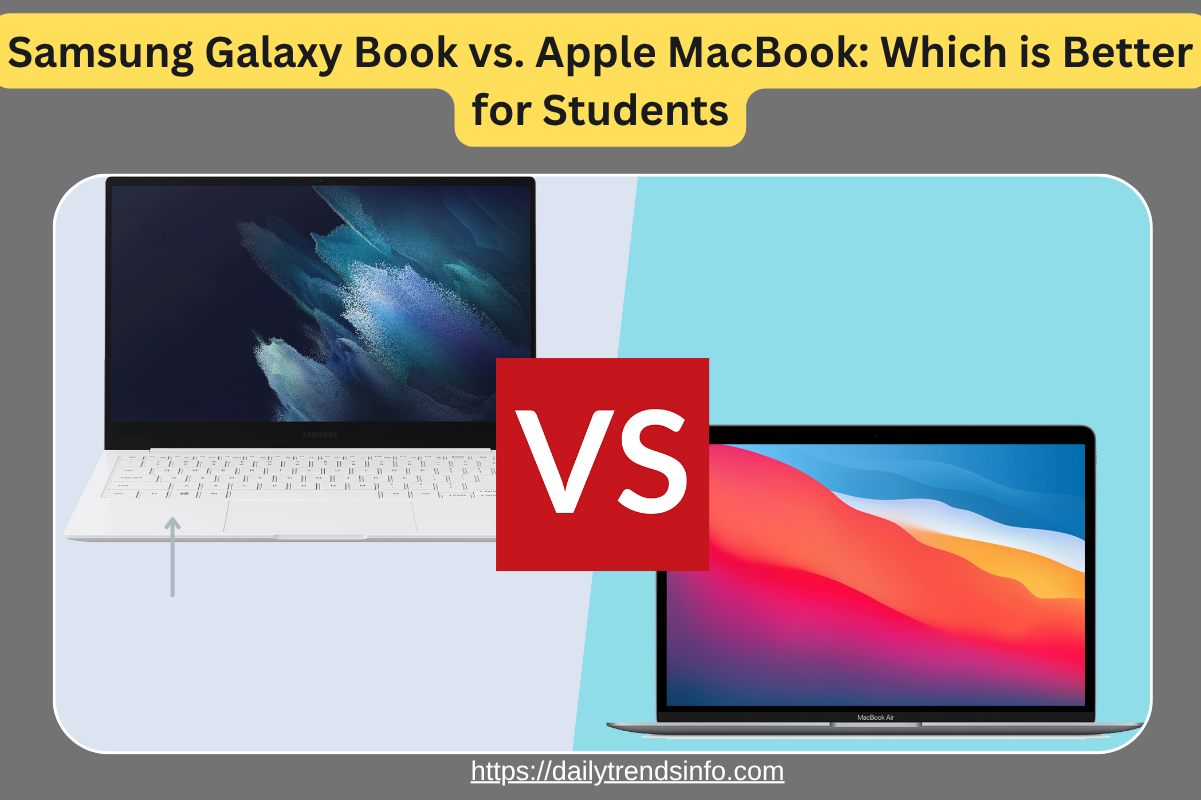
Samsung Galaxy Book vs. Apple MacBook: The 2026 Student Showdown
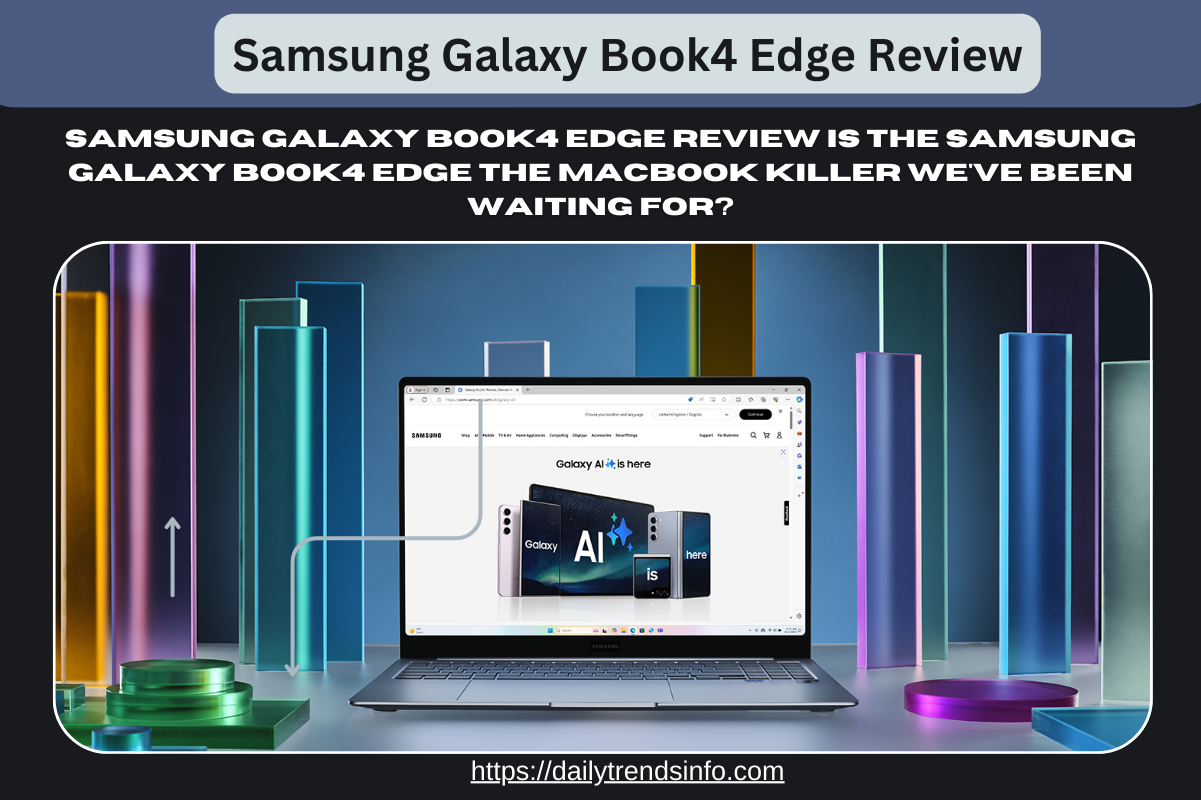
Samsung Galaxy Book vs. Apple MacBook: Which is Better for Students :- Choosing a laptop in 2026 is no longer just about picking an operating system; it’s about choosing an architectural philosophy. For students, the decision between the Samsung Galaxy Book6 Pro and the Apple MacBook Air/Pro (M5) has become increasingly complex as the gap in efficiency and AI performance narrows. Whether you are compiling large codebases, editing 8K video, or simply managing a massive research project, the hardware you carry matters.
In this guide, we’ll dissect the technical nuances of both ecosystems to help you decide which machine deserves a spot in your backpack. Samsung Galaxy Book vs. Apple MacBook: Which is Better for Students
How to Extend Your Smartphone Battery Life: 10 Proven Tips
MacBook vs Galaxy Book comparison for students
The Silicon Battle: Intel Panther Lake vs. Apple M5
The heart of this comparison lies in the silicon. In 2026, Samsung has fully embraced Intel’s Panther Lake architecture (Core Ultra Series 3). These chips represent a massive shift for Windows laptops, utilizing a “tiled” architecture that finally matches Apple’s efficiency. With up to 12 threads and integrated Intel Arc 140V graphics, the Galaxy Book6 Pro is a beast for students who need a mix of productivity and light-to-medium gaming.
On the other side, the Apple M5 chip continues to dominate in single-core performance. Built on an enhanced 3nm process, the M5 focuses on “Fusion Architecture,” which connects two dies for massive AI compute power. If your curriculum involves heavy Machine Learning (ML) workloads or Apple-specific software like Final Cut Pro, the M5’s unified memory architecture—offering up to 307GB/s bandwidth—remains virtually untouchable for sustained data throughput.
Display Tech: AMOLED 2X vs. Liquid Retina XDR
For students spending 10+ hours a day looking at a screen, display quality isn’t a luxury; it’s a health requirement.
-
Samsung Galaxy Book6 Pro: Features a 3K Dynamic AMOLED 2X touchscreen. The infinite contrast ratios and 120Hz refresh rate make it a dream for creative media students. More importantly, the anti-reflective coating on the 2026 models is significantly better than previous generations, making it usable even in bright library settings.
-
Apple MacBook Pro/Air: Apple’s Liquid Retina XDR (on Pro models) offers peak brightness levels (up to 1600 nits) that Samsung struggle to match. However, the lack of a touchscreen on the MacBook remains a point of contention for students who prefer digital note-taking or UI design testing.
Ecosystem Integration: Galaxy Experience vs. Apple Continuity
This is often where the “expert” decision is truly made. Samsung Galaxy Book vs. Apple MacBook: Which is Better for Students
The Samsung Advantage: If you use a Galaxy S26 Ultra or a Tab S10, the integration is seamless. Features like Second Screen allow you to use your tablet as a wireless monitor with zero lag, and Multi Control lets you use one mouse/keyboard across your phone and laptop. For students, the ability to drag and drop files from a phone directly into a PowerPoint presentation on the Galaxy Book is a major workflow boost.
The Apple Advantage: Apple’s ecosystem is a walled garden, but the walls are made of gold. Universal Control, AirDrop, and the new Apple Intelligence features integrated into macOS Sequoia (and beyond) provide a level of polish that Windows still struggles to emulate. If you are already “all-in” on iPhone and iPad, the friction-less nature of iCloud and Handoff is a massive productivity multiplier.
Battery Life and Portability
In 2026, the “Windows laptops have bad battery” trope is dead. The Galaxy Book6 Pro claims up to 25-30 hours of video playback, which translates to roughly 14-16 hours of heavy “student use” (Chrome tabs, Zoom, Word, Spotify).
The MacBook Air (M5), however, still holds the crown for “unplugged consistency.” Because macOS is so tightly optimized for the M5 hardware, you rarely see the performance throttling that can occur on Windows when the battery drops below 20%. For a student who might forget their charger for a weekend trip, the MacBook is the safer bet.
Final Verdict: Which One Should You Buy?
-
Buy the Samsung Galaxy Book6 Pro if: You need a touchscreen, use an Android phone, or require specific Windows-only software for engineering (CAD, SolidWorks) or data science. Its port selection (HDMI 2.1, USB-A, and microSD) is also much more student-friendly than Apple’s “dongle-life” approach.
-
Buy the Apple MacBook (M5) if: You prioritize build quality, resale value, and the most stable creative software suite in the world. If you’re a film, music, or app development student, the M5’s media engine and Xcode support make it the industry standard.
FAQs
Q: Can I run Windows on a MacBook M5?
Yes, via Parallels Desktop, but it is a virtualized environment. It works well for office apps but isn’t ideal for high-end gaming or specialized engineering software that requires direct GPU access.
Q: Is the Galaxy Book6 Pro good for gaming?
Surprisingly, yes. The Intel Arc 140V graphics can handle titles like Cyberpunk 2077 or Valorant at medium settings, making it a versatile machine for both work and play.
Q: Does the MacBook M5 support Wi-Fi 7?
Yes, the 2026 MacBook models now fully support Wi-Fi 7, allowing for much faster data transfer speeds in modern dorms and campus environments.
Q: Which one has a better webcam for online classes?
Samsung has finally upgraded to a 1080p FHD sensor with staggered HDR, which performs exceptionally well in low-light dorm rooms. Apple’s Center Stage technology is still slightly better at keeping you in frame, but the raw image quality is now a tie.